




Crisis Response: Relocating 150+ Indian Medical Students from Ukraine
When crisis strikes, leadership is measured not by words but by swift, decisive action. The outbreak of conflict in Ukraine in early 2022 created a humanitarian emergency that left thousands of international students stranded—among them, a large number of Indian medical students pursuing their education far from home. Coordinating the safe relocation of over 150 students was not just a logistical challenge; it was a test of resilience, diplomacy, and human compassion.
The Situation on Ground
As tensions escalated into full-scale conflict, Ukrainian cities quickly became unsafe. Airspace closures, disrupted transport systems, and rapidly changing military conditions meant that conventional evacuation plans were no longer viable. Students found themselves in bunkers, hostels, and metro stations, facing uncertainty, fear, and limited access to basic necessities.
Communication was fragmented. Families back in India were desperate for updates, while students struggled with unreliable internet and power outages. In such a volatile environment, time-sensitive decisions became critical.
Building a Response Framework
The first step in managing the crisis was establishing a reliable communication network. WhatsApp groups, emergency helplines, and student coordinators on the ground played a crucial role in gathering real-time information. Verifying student locations, health status, and documentation became the foundation for any evacuation effort.
Simultaneously, coordination with Indian embassies in Ukraine and neighboring countries—Poland, Romania, Hungary, and Slovakia—was initiated. These diplomatic channels were vital in identifying safe exit routes and understanding border conditions, which were constantly evolving.
Navigating Logistical Challenges
Relocating over 150 students required meticulous planning under unpredictable circumstances:
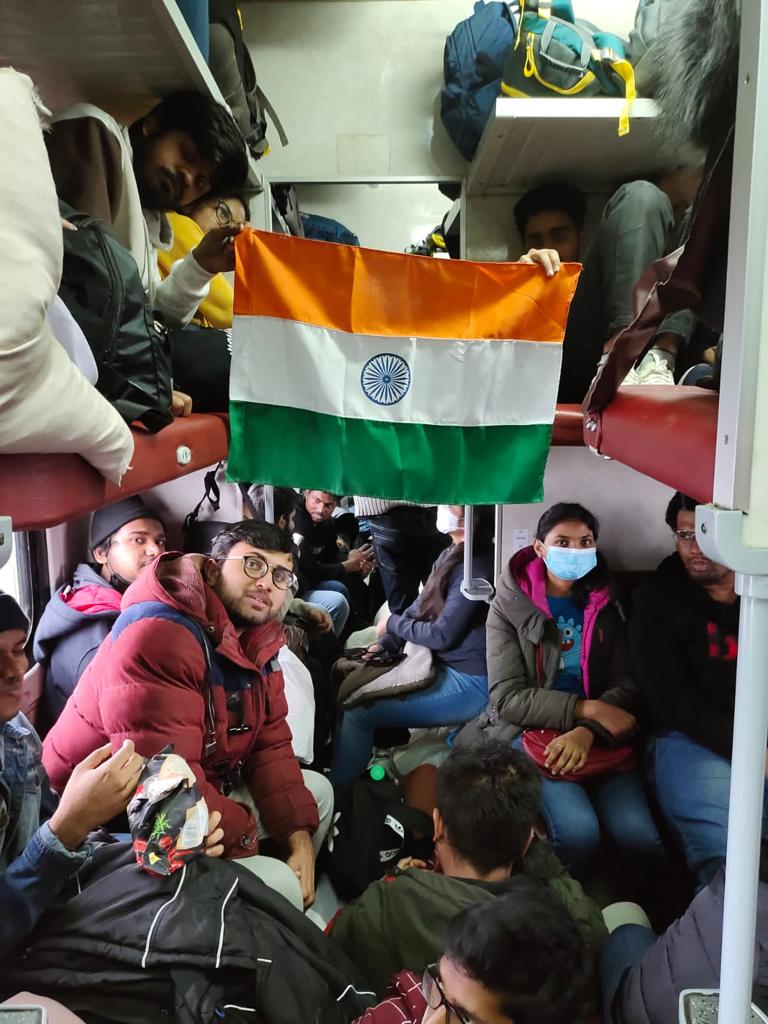
Identifying Safe Corridors: Students were guided in batches toward western borders, often traveling long hours by train, bus, or even on foot.
Managing Documentation: Ensuring every student had a passport and necessary papers was crucial, especially when crossing international borders under emergency protocols.
Transport Coordination: Local volunteers, NGOs, and embassy officials helped arrange buses and temporary shelters near border checkpoints.
Resource Allocation: Food, water, blankets, and medical aid had to be arranged en route, often relying on goodwill and community support.
Each border presented unique challenges—long queues, freezing temperatures, and strict entry regulations. Female students and those with health issues were prioritized, requiring sensitive handling and constant monitoring.
The Human Element
Beyond logistics, the emotional toll was immense. Students faced anxiety, exhaustion, and uncertainty about their future. Regular check-ins, reassurance, and clear instructions helped maintain morale. Peer support within student groups became a powerful stabilizing force.
Volunteers—both local and international—emerged as unsung heroes. From offering shelter to translating languages and guiding students through unfamiliar terrain, their contributions were invaluable.
Coordination with Authorities
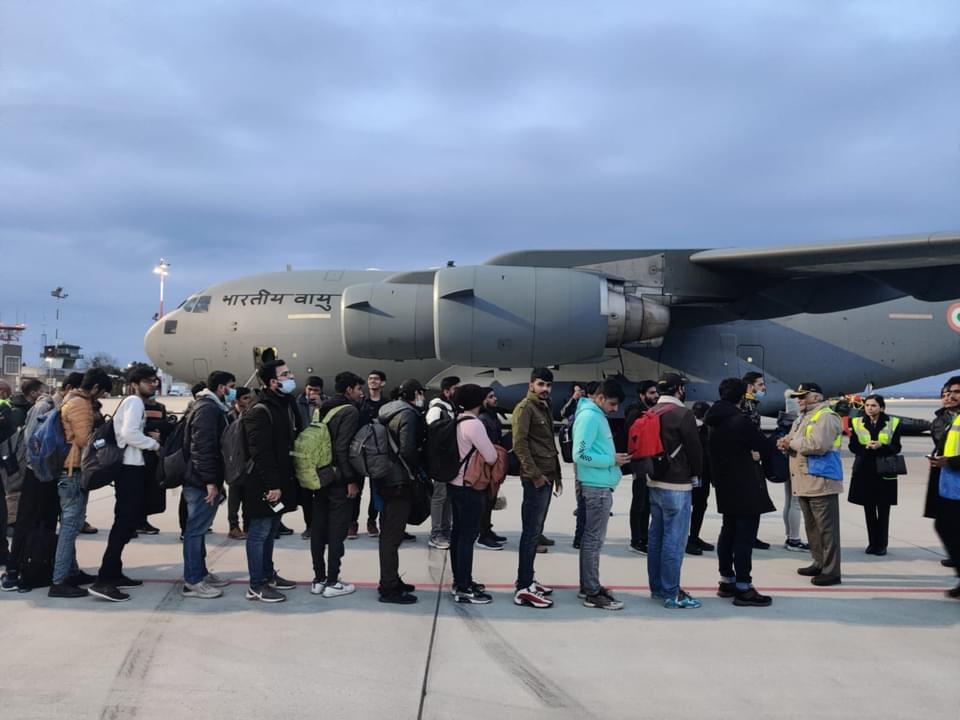
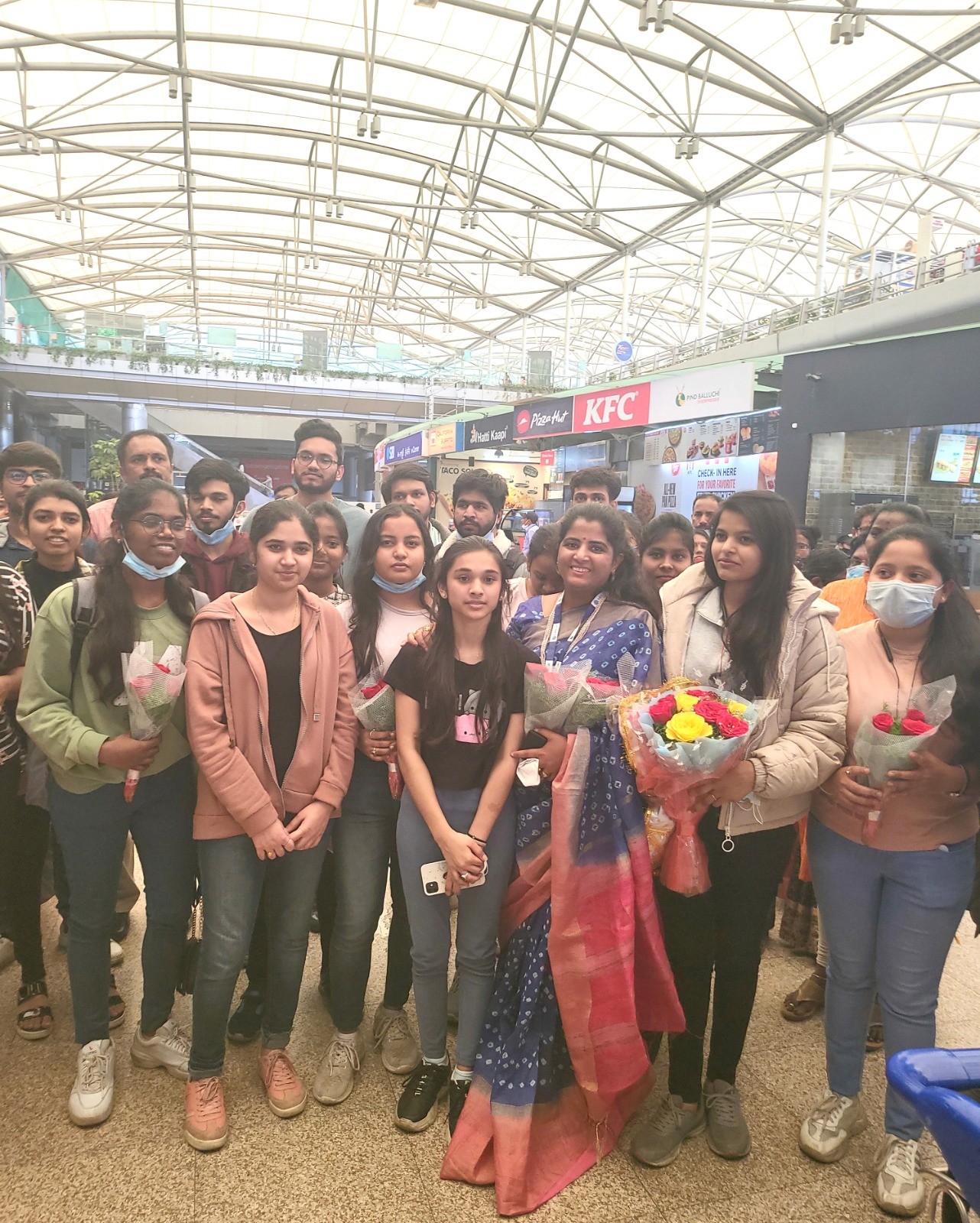
The Indian government’s evacuation mission, widely recognized as one of the largest civilian evacuations in recent history, provided critical support. Special flights were arranged from neighboring countries, and students were transported from border points to airports in organized batches.
Close coordination ensured that once students crossed into safer territories, their journey home was streamlined. हेल्प desks, registration counters, and medical screening facilities were set up to facilitate smooth processing.
Lessons Learned
This operation highlighted several key takeaways:
Preparedness Matters: Institutions sending students abroad must have crisis protocols in place.
Communication is Critical: Real-time, verified information can save lives.
Collaboration Wins: Governments, embassies, volunteers, and communities must work in tandem.
Resilience of Youth: The courage and adaptability shown by students were remarkable.
A Story of Hope
What began as a chaotic and dangerous situation transformed into a coordinated rescue effort that brought over 150 students safely back home. Each successful crossing, each reunion with family, was a testament to what collective action can achieve under pressure.
Crisis response is never perfect. It is messy, urgent, and often improvised. But at its core, it is driven by one goal: to protect human life. And in this case, that goal was met with determination, empathy, and unwavering commitment.
This story is not just about evacuation—it’s about the power of coordination, the strength of community, and the enduring spirit of those who refuse to give up, even in the face of adversity.